Professional Brazing Machine Solutions for AC Motor Equipment Manufacturing
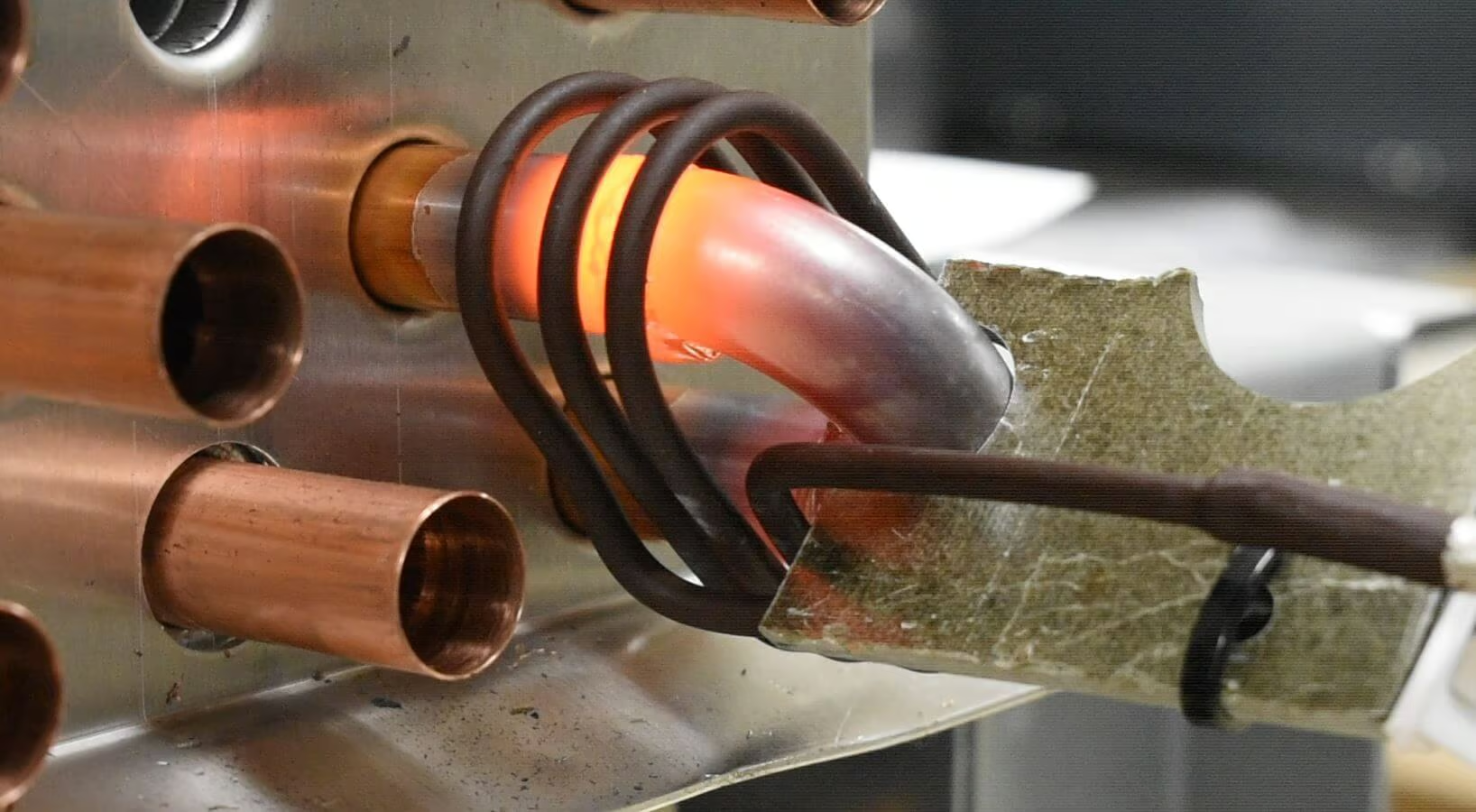
Manufacturing precision AC motor components requires joining techniques that deliver both exceptional electrical conductivity and mechanical strength. When stator winding connections, rotor bar assemblies, and field coil terminations fail due to inadequate brazing processes, the resulting motor inefficiencies and failures can cost manufacturers significant revenue through warranty claims and production delays. Professional brazing machines provide the controlled heating and precise temperature management needed to create reliable joints that meet the demanding performance requirements of modern AC motor applications.
CAM Innovation’s specialized brazing machine solutions deliver the precision temperature control and consistent heating patterns required for critical AC motor component manufacturing. These advanced systems ensure optimal joint strength and electrical properties while eliminating the variability associated with manual brazing processes.
Understanding Professional Brazing Technology for Motor Manufacturing
Professional brazing represents a critical joining process in AC motor manufacturing where base materials are joined using filler metals heated above 450°C but below the melting point of the base materials. This process creates metallurgical bonds that provide excellent electrical conductivity and mechanical strength without compromising the integrity of the parent materials.
Automated brazing systems incorporate precise temperature control, consistent heating patterns, and programmable cycle parameters that eliminate human variables. Advanced flux management systems ensure proper wetting and joint formation while preventing contamination that could compromise electrical or mechanical properties.
Key Components of Industrial Brazing Systems
Industrial brazing machines integrate several critical subsystems to deliver consistent results in motor manufacturing applications. Temperature control systems provide precise heating profiles that accommodate various material combinations and joint geometries. Atmosphere control systems maintain proper environmental conditions to prevent oxidation and ensure reliable joint formation.
Fixture systems position components accurately while maintaining consistent heat distribution across complex geometries typical of motor assemblies. Advanced systems incorporate multiple heating zones that enable selective heating for complex components requiring different thermal treatments.
Applications in AC Motor Component Manufacturing
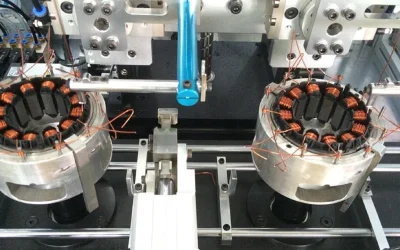
AC motor manufacturing requires specialized brazing solutions for diverse component assembly processes. Stator winding connections demand precise temperature control to create reliable electrical joints without damaging adjacent insulation materials. Rotor bar brazing operations require consistent heating patterns that ensure uniform joint strength across multiple connections simultaneously.
End ring assembly brazing benefits from the controlled heating offered by professional systems, particularly when managing thermal expansion differences between dissimilar materials. The ability to program specific heating profiles for different joint types ensures consistent quality across varying production requirements.
Stator Winding Connection Requirements
Stator winding connection operations present unique challenges due to the proximity of temperature-sensitive insulation materials and the need for precise electrical conductivity. Professional brazing machines provide the accuracy needed to create reliable connections while avoiding thermal damage to adjacent windings or insulation systems.
Heat distribution control proves critical in stator brazing applications where localized overheating can cause insulation breakdown or conductor damage. Programmable heating zones enable precise energy delivery that creates strong joints while maintaining insulation integrity throughout the assembly process.
Heavy Industry Applications Beyond Standard Motor Manufacturing
Mining equipment manufacturers utilize professional brazing machines for AC motor components operating in harsh environments where joint reliability directly impacts equipment availability. The precise control offered by automated systems ensures consistent joint properties that withstand extreme operating conditions typical of mining applications.
Power generation facilities require brazing solutions capable of meeting stringent quality standards for large-scale AC motor assemblies. AC motor equipment designed for industrial manufacturing applications demonstrates how specialized joining techniques support critical infrastructure operations across diverse industrial sectors.
Industrial Drive System Manufacturing
Industrial drive system manufacturers depend on professional brazing for AC motor components where joint quality affects overall system efficiency and reliability. Variable frequency drive motor assemblies require precise electrical connections that maintain performance characteristics under varying load and speed conditions.
Conveyor system motor applications benefit from the consistency and reliability offered by automated brazing processes. These applications demand long-term joint integrity that manual brazing processes cannot consistently deliver across high-volume production requirements.
Comparing Manual vs Automated Brazing Methods
Manual brazing introduces significant variability in heating patterns, temperature control, and timing that can compromise joint quality and consistency. Operator skill levels, environmental conditions, and equipment limitations contribute to quality variations that prove unacceptable in precision motor manufacturing applications.
Automated brazing systems eliminate human variables while providing consistent, repeatable results across all production runs. Programmable heating profiles ensure identical thermal cycles for similar joint configurations, reducing quality variations and improving overall manufacturing efficiency.
Cost Analysis of Brazing Method Comparison
Initial investment requirements for automated brazing systems appear substantial compared to manual brazing equipment costs. Production volume analysis reveals economic benefits through reduced labor costs, improved quality metrics, and decreased rework requirements. Return on investment calculations typically demonstrate payback periods of 15-20 months in moderate to high-volume production environments.
Quality-related cost savings include reduced material waste, improved process efficiency, and enhanced product reliability. These factors contribute to competitive advantages that support premium pricing and market share growth in specialized motor manufacturing segments.
Technical Specifications for Industrial Applications
Professional brazing machines accommodate various material combinations common in AC motor manufacturing, including copper-to-copper, copper-to-aluminum, and steel-to-copper joints. Temperature control ranges typically span from 500°C to 1200°C, enabling optimization for different filler metal types and joint geometries encountered in motor component manufacturing.
Heating rate control capabilities provide additional management over thermal cycles and joint formation characteristics. Standard systems offer heating rates from 5°C per minute for precision work to 50°C per minute for high-volume production applications.
Performance Metrics and Heating Capabilities
Temperature uniformity specifications maintain consistency within ±5°C across heating zones, ensuring uniform joint properties in multi-connection assemblies. This precision proves critical for motor components where temperature variations could create electrical imbalances or mechanical stress concentrations.
Cycle time performance varies based on component size, material combination, and joint complexity. Standard production cycles range from 30 seconds for simple connections to 5 minutes for complex multi-joint assemblies typical of large motor manufacturing.
Advanced Control Features for Precision Manufacturing
Modern brazing machines incorporate sophisticated control algorithms that monitor temperature profiles and adjust heating parameters in real-time to maintain optimal joint formation conditions. Adaptive temperature control compensates for variations in component mass and thermal conductivity that could otherwise affect joint quality.
Multi-zone heating capabilities enable complex brazing patterns required for stator assemblies and rotor cage construction. Pre-programmed heating profiles ensure consistent thermal management that optimizes joint strength while minimizing distortion in finished components.
Quality Monitoring and Process Control
Real-time monitoring systems track critical brazing parameters including temperature, heating rate, hold time, and cooling rate throughout each brazing cycle. Statistical process control capabilities identify parameter drift and quality trends that might indicate maintenance requirements or process adjustments.
Data logging features maintain comprehensive records for quality assurance and traceability requirements common in motor manufacturing applications. Integration with quality management systems supports certification processes and customer quality audits.
Material Compatibility and Joint Design Considerations
Professional brazing accommodates the diverse material combinations encountered in AC motor manufacturing. Copper conductor brazing requires specific filler metals and flux systems to achieve optimal electrical conductivity. Aluminum-to-copper joints demand careful selection of brazing alloys to prevent corrosion and maintain long-term joint integrity.
Steel rotor bar applications benefit from brazing alloys that provide both mechanical strength and electrical conductivity suitable for electromagnetic applications. Joint design considerations include clearances, filler metal distribution, and thermal expansion management during heating and cooling cycles.
Flux Systems and Atmosphere Control
Flux selection depends on base material combinations and joint accessibility requirements. Self-fluxing brazing alloys eliminate separate flux application for certain joint types while maintaining reliable wetting and joint formation. Atmosphere control systems using inert gases or reducing atmospheres prevent oxidation and flux contamination during brazing cycles.
Vacuum brazing capabilities enable joint formation without flux systems for applications requiring maximum joint cleanliness and electrical conductivity. These systems prove particularly valuable for high-frequency motor applications where joint purity directly impacts performance characteristics.
Integration with Existing Manufacturing Systems
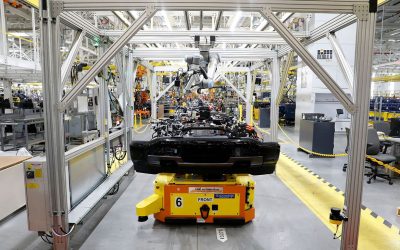
Modern brazing machines accommodate integration with existing production line control systems through standard industrial communication protocols. Programmable logic controller interfaces enable coordinated operation with material handling systems and upstream manufacturing processes.
Finding AC motor equipment solutions demonstrates how integrated manufacturing systems improve overall production efficiency while maintaining quality standards across diverse motor manufacturing applications. Comprehensive equipment integration supports streamlined workflows and optimized production scheduling.
Workflow Optimization Strategies
Production line layout considerations impact brazing system effectiveness and overall manufacturing efficiency. Strategic positioning minimizes material handling requirements while maintaining accessibility for maintenance and fixture changes. Component preheating systems can integrate with brazing operations to reduce cycle times and improve joint quality.
Automated material handling systems eliminate manual component positioning while ensuring consistent placement accuracy. Robotic loading and unloading capabilities reduce operator exposure to high temperatures while maintaining precise component alignment for optimal joint formation.
Maintenance Requirements for Optimal Performance
Preventive maintenance programs for brazing machines focus on heating element integrity, temperature sensor calibration, and atmosphere system performance. Heating element replacement schedules depend on operating temperatures and duty cycles typical of motor manufacturing operations. Temperature sensor calibration ensures accurate process control and consistent joint quality.
Atmosphere system maintenance includes gas purity monitoring, leak detection, and flow control verification. Regular maintenance prevents contamination issues that could affect joint formation or compromise electrical properties of finished assemblies.
Troubleshooting Common Brazing Issues
Temperature uniformity problems typically result from heating element degradation, thermal insulation damage, or fixture design issues. Systematic troubleshooting procedures address these concerns while minimizing production disruptions. Heating element monitoring systems provide early warning of performance degradation before quality issues develop.
Joint formation defects often indicate improper filler metal selection, contaminated surfaces, or inadequate flux application. Process parameter verification and material preparation protocols identify root causes while supporting rapid correction of brazing defects.
Quality Control and Testing Protocols
Quality control protocols for brazed motor components focus on joint strength, electrical conductivity, and dimensional accuracy. Mechanical testing procedures evaluate joint integrity under conditions representative of motor operating environments. Electrical resistance measurements verify connection quality and current-carrying capacity.
Visual inspection criteria identify surface defects, filler metal distribution, and other quality indicators that might affect motor performance. Standardized inspection procedures ensure consistent quality evaluation across multiple shifts and production schedules.
Industry Standards and Certification Requirements
Motor manufacturing facilities serving regulated industries must maintain compliance with relevant brazing standards and certification requirements. AWS (American Welding Society) standards provide specifications for brazing procedures, operator qualifications, and quality control protocols applicable to motor component manufacturing.
UL (Underwriters Laboratories) requirements include testing and documentation of electrical connections for motor safety certifications. Quality system compliance supports regulatory approval processes while ensuring consistent manufacturing practices.
Economic Benefits of Professional Brazing Solutions
Professional brazing machine investments deliver measurable returns through labor cost reductions, quality improvements, and increased production capacity. Automated systems reduce skill level requirements for operators while eliminating the variability associated with manual brazing processes.
Productivity improvements result from consistent cycle times, reduced setup requirements, and decreased rework rates. Quality-related cost savings include reduced warranty claims, improved customer satisfaction, and enhanced market competitiveness in precision motor manufacturing markets.
Return on Investment Analysis
Investment analysis for brazing equipment considers initial system costs, installation expenses, and training requirements against ongoing operational savings. Energy efficiency improvements through precise temperature control contribute to reduced operating costs compared to traditional heating methods.
Long-term cost benefits include reduced material waste, improved process efficiency, and enhanced product reliability. These factors support competitive advantages in specialized motor manufacturing segments while enabling expansion into higher-value applications.
Environmental and Safety Considerations
Professional brazing operations require proper ventilation systems to manage flux vapors and atmospheric gases used in the brazing process. Safety considerations include high-temperature handling procedures, personal protective equipment requirements, and emergency response protocols for equipment malfunctions.
Environmental compliance encompasses proper disposal of flux residues, atmospheric gas management, and energy efficiency optimization. Modern brazing systems incorporate features that minimize environmental impact while maintaining optimal process performance.
Operator Safety and Training Requirements
Operator safety training addresses high-temperature hazards, proper handling techniques, and emergency procedures specific to brazing operations. Personal protective equipment includes heat-resistant gloves, safety glasses, and appropriate clothing to prevent thermal injury.
Ventilation system requirements ensure adequate fume extraction and fresh air circulation in brazing work areas. Regular air quality monitoring verifies compliance with occupational exposure limits for flux vapors and atmospheric gases.
Selecting the Right Brazing Machine for Your Application
Application analysis forms the foundation for proper brazing machine selection. Component sizes, material combinations, and production volume requirements determine appropriate system specifications and heating capabilities. Temperature range requirements and atmosphere control needs influence system configuration and optional features.
Joint accessibility considerations impact fixture design and heating zone configuration requirements. Complex geometries may require specialized heating arrangements or custom fixture development to achieve optimal joint formation.
Feature Comparison and Configuration Options
Standard features include programmable temperature control, multi-zone heating capabilities, and basic process monitoring systems. Advanced options encompass vacuum brazing capabilities, automated material handling interfaces, and comprehensive data logging systems that support quality management initiatives.
Atmosphere control options include inert gas systems, reducing atmosphere capabilities, and vacuum chamber configurations. Selection depends on material requirements, joint quality specifications, and production volume considerations.
Installation and Commissioning Procedures
Installation planning addresses facility requirements, utility connections, and safety considerations for brazing machine deployment. Electrical requirements include power supply specifications and control system interfaces appropriate for industrial manufacturing environments.
Ventilation system installation requires proper ductwork design and exhaust capacity calculations based on brazing material types and production volumes. Safety system installation includes emergency stops, temperature monitoring, and atmosphere control interlocks.
Training and Process Development
Operator training programs cover system operation, temperature programming, and safety procedures specific to brazing applications. Process development includes joint design optimization, filler metal selection, and quality control procedure establishment.
Brazing procedure qualification ensures consistent results and regulatory compliance where applicable. Standardized procedures support quality assurance programs while maintaining traceability for critical motor component applications.
Future Developments in Brazing Technology
Technological advances continue to improve brazing machine capabilities and expand application possibilities. Induction heating systems provide rapid, efficient heating with precise temperature control for high-volume production applications. Advanced atmosphere control systems enable new filler metal combinations and joint designs.
Integration with Industry 4.0 initiatives creates opportunities for comprehensive data collection and process optimization. Machine learning algorithms analyze brazing parameters and quality outcomes to optimize process conditions automatically.
Market Trends and Technology Adoption
Market adoption of professional brazing solutions continues to accelerate across motor manufacturing sectors. Quality requirements and environmental regulations drive the transition from manual processes to automated systems that deliver consistent results while minimizing environmental impact.
Customization capabilities enable brazing solutions for specialized motor applications and unique manufacturing requirements. Modular system designs accommodate future expansion and technology upgrades without requiring complete system replacement.
Schedule Your Brazing Machine Consultation Today
Industry Standards and Compliance Resources
Professional brazing operations must comply with relevant industry standards and safety regulations. The American Welding Society (AWS) provides comprehensive standards for brazing procedures, material specifications, and quality control protocols applicable to motor manufacturing applications. These standards ensure consistent brazing practices and reliable joint properties across diverse production environments.
The Occupational Safety and Health Administration (OSHA) establishes workplace safety guidelines for high-temperature operations, including ventilation requirements, personal protective equipment specifications, and safety training protocols. Compliance with these guidelines ensures safe working conditions while maintaining productivity and quality standards in brazing operations.
Frequently Asked Questions
What types of materials can be brazed in AC motor manufacturing applications?
Professional brazing machines accommodate the full range of materials commonly used in AC motor construction, including copper conductors, aluminum windings, steel laminations, and various alloy combinations. Copper-to-copper brazing provides excellent electrical conductivity for stator connections and requires silver-bearing brazing alloys for optimal performance. Aluminum conductor brazing demands specialized flux systems and aluminum-silicon brazing alloys to achieve reliable joints. Steel rotor bar brazing utilizes copper-zinc or silver-copper alloys that provide both mechanical strength and adequate electrical conductivity. Each material combination requires specific brazing parameters and filler metal selection to achieve optimal joint properties and long-term reliability in motor applications.
How does professional brazing improve joint reliability compared to soldering methods?
Professional brazing creates metallurgical bonds at higher temperatures than soldering, resulting in significantly stronger joints with better electrical and thermal conductivity. Brazing temperatures above 450°C enable deeper penetration and more complete wetting of base materials compared to soldering processes. The higher strength brazing alloys withstand thermal cycling and mechanical stresses better than soft solders, reducing the risk of joint failure during motor operation. Temperature-controlled brazing processes ensure consistent joint properties across all connections, eliminating the variability common in manual soldering operations. The result is improved motor reliability, reduced maintenance requirements, and enhanced performance under demanding operating conditions.
What maintenance schedule should I follow for optimal brazing machine performance?
Maintenance schedules depend on production volume, operating temperatures, and atmospheric conditions used in brazing operations. Daily maintenance includes temperature sensor verification, heating element inspection, and atmosphere system checks to ensure proper operation. Weekly procedures encompass fixture cleaning, flux removal system maintenance, and process parameter calibration verification. Monthly maintenance involves heating element resistance testing, thermal insulation inspection, and comprehensive system calibration. Annual maintenance includes major component replacement, safety system testing, and complete process validation. Preventive maintenance programs prevent unexpected downtime while maintaining consistent brazing quality and system reliability throughout extended production campaigns.
Can brazing machines integrate with existing AC motor manufacturing equipment?
Modern brazing machines feature standard industrial communication protocols including Ethernet/IP, Modbus, and DeviceNet interfaces for seamless integration with existing manufacturing systems. Programmable logic controller connectivity enables coordinated operation with material handling equipment, preheating systems, and post-brazing cooling stations. Real-time data sharing supports quality control systems and production monitoring software. Custom integration solutions accommodate unique manufacturing requirements and existing equipment configurations. Integration capabilities reduce manual handling, improve process flow, and enable comprehensive data collection for quality assurance and traceability requirements typical of motor manufacturing operations.
What factors should I consider when selecting filler metals for AC motor component brazing?
Filler metal selection depends on base material combinations, joint strength requirements, electrical conductivity needs, and operating temperature considerations. Silver-bearing brazing alloys provide excellent electrical conductivity for critical electrical connections but require higher material costs. Copper-phosphorus alloys offer good electrical properties and lower costs for copper-to-copper joints but cannot be used with ferrous materials. Aluminum brazing alloys enable joining of aluminum conductors but require specialized flux systems and atmosphere control. Joint accessibility influences filler metal flow characteristics and application methods. Service temperature requirements determine filler metal melting point considerations to prevent joint degradation during motor operation. Environmental factors such as humidity and contamination exposure affect long-term joint stability and corrosion resistance requirements.