Spiral Wrap Taping Technology Transforms Motor and Wire Harness Manufacturing

CAM Innovation: Engineering Excellence in Motor Production Equipment Since 1910
The global wire harness market surged past $99 billion in 2024 and continues expanding at remarkable pace, creating unprecedented demand for precision taping equipment across motor manufacturing, railroad maintenance, and industrial production sectors. This growth trajectory reflects fundamental shifts in how manufacturers approach insulation, protection, and bundling operations—changes that directly impact production quality, workforce efficiency, and competitive positioning throughout the electrical equipment industry.
Manufacturing facilities worldwide are reconsidering traditional manual taping methods as labor costs rise and quality requirements tighten. According to federal employment data tracked by the Federal Reserve Bank of St. Louis, U.S. manufacturing employment reached 12.7 million workers in late 2025 with the sector maintaining near pre-pandemic employment levels despite ongoing automation pressures. Companies that once relied on skilled operators for hand-wrapping coils, cables, and harnesses now face critical decisions about modernizing their production capabilities to remain competitive in increasingly demanding markets.
The shift toward automated and semi-automated taping solutions reflects broader Industry 4.0 trends reshaping manufacturing operations across multiple sectors. Facilities producing electric motors, transformers, and complex wire assemblies increasingly require equipment capable of delivering consistent tape overlap, precise tension control, and repeatable results across extended production runs. Understanding Wire Harness Automation Demands Advanced Taping Solutions for Motor Production provides essential context for how these pressures are reshaping equipment purchasing decisions across automotive, aerospace, railroad, and industrial manufacturing operations.
Market Forces Reshaping Taping Technology Adoption
The electrical insulation tape market continues robust expansion driven by increasing motor production volumes, stringent insulation requirements, and the electrification trend transforming transportation and industrial equipment globally. Motor insulation represents a particularly demanding application segment driving equipment investment across multiple industries that depend on reliable electrical equipment performance.
Electrical insulation tapes applied to motor windings, coils, and electrical components provide critical protection against electrical shorts and mechanical stress. The growing industrialization, automation expansion, and increasing demand for electric vehicles are accelerating the need for motor insulation capabilities that manual processes struggle to deliver consistently. Manufacturers serving automotive, aerospace, and industrial customers face quality expectations that favor automated taping solutions over traditional hand-wrapping methods.
Wire harness manufacturing compounds these pressures significantly. Industry analysts project the global wire harness market will exceed $165 billion by 2034, growing at approximately 5.9 percent annually as industrial automation, electric vehicle production, and smart manufacturing adoption accelerate worldwide. Each harness requires precise tape application for insulation, bundling, and protection—operations where automated taping systems demonstrate measurable advantages over manual methods in both productivity and quality consistency.
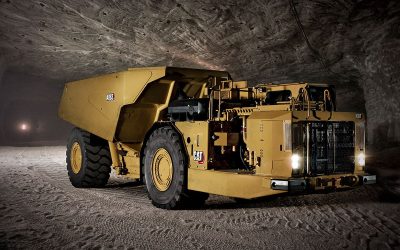
The railroad and mining sectors contribute substantial demand for taping equipment supporting motor maintenance and remanufacturing operations. Traction motors, generators, and auxiliary equipment require professional-grade insulation restoration that meets original equipment specifications. These maintenance applications often involve irregular geometries and custom requirements that semi-automatic systems address effectively through operator-controlled positioning combined with automated tape application capabilities.
Technical Considerations for Modern Taping Operations
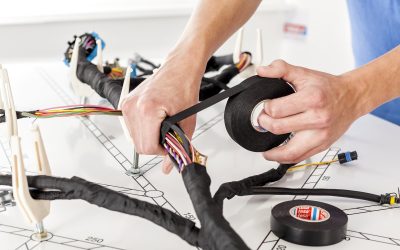
Contemporary spiral wrap taping addresses multiple manufacturing challenges simultaneously through integrated mechanical and control system designs. The technology applies tape in controlled helical patterns around workpieces, creating uniform protective layers while maintaining production speeds that manual operations cannot match. Critical variables including tape overlap percentage, application tension, and wrapping speed must remain consistent throughout extended production runs—requirements that favor mechanized solutions over manual methods.
Push-button overlap control represents a significant advancement enabling operators to set precise overlap percentages that automated systems maintain regardless of production speed variations. This capability proves particularly valuable when taping irregular workpieces or managing operations with varying diameter sections along single assemblies. The system automatically synchronizes tape head rotation with workpiece feed rate, eliminating the operator skill dependencies that introduce variability in manual operations and create quality control challenges.
Dual-head configurations address applications requiring multiple tape layers or simultaneous application of different materials. Facilities can apply adhesive tape and non-adhesive overwrap in single passes, or create layered insulation systems combining foil barriers with protective outer wraps. These configurations effectively double productivity for multi-layer applications while ensuring consistent layer registration throughout production runs—a capability that proves essential for high-voltage motor insulation applications.
The ability to accommodate diverse tape materials expands application range significantly. Modern taping equipment handles polyimide, vinyl, foil, glass, mica, epoxy film, polyester, woven materials, reinforced filament, and fluorocarbon film composites. This versatility enables single equipment platforms to serve multiple product lines and application requirements without extensive changeover or dedicated machinery for each tape type.
Workforce and Operational Benefits
The ergonomic advantages of automated taping extend beyond simple production speed improvements to address workforce sustainability challenges facing many manufacturers. Manual spiral taping places significant repetitive stress on operators, contributing to fatigue-related quality variations and potential injury risks that affect both productivity and employee retention. Semi-automatic systems reduce these physical demands while enabling operators to maintain higher output levels with improved consistency across shifts.
Training requirements differ substantially between manual and automated approaches, affecting both implementation timelines and ongoing operational flexibility. Skilled hand-taping requires extensive practice to develop the coordination necessary for consistent professional-grade results, while automated systems allow operators to achieve production standards much more quickly after initial equipment training. This training differential becomes increasingly significant as manufacturers compete for workers in tight labor markets and face elevated turnover rates that disrupt production continuity.
The Bureau of Labor Statistics employment situation data shows manufacturing wages averaging over $36 per hour in late 2025, underscoring the economic importance of maximizing workforce productivity through appropriate equipment investment. Facilities implementing systematic improvement programs recognize taping operations as high-impact targets for automation investment where equipment purchases generate measurable returns through labor productivity gains and quality improvements.
For organizations examining how equipment modernization supports broader operational excellence initiatives, exploring Railroad and Mining Motor Maintenance Drives Industrial Taping Machine Investment reveals how maintenance operations are adapting taping technology to address specific industry challenges while managing skilled labor constraints.
Applications Across Industrial Sectors
The versatility of modern spiral taping equipment enables deployment across diverse manufacturing and maintenance applications serving multiple end markets. Wire harness production for automotive, aerospace, and industrial equipment represents a primary volume application where consistent tape overlap and rapid changeover capabilities prove essential for meeting customer delivery requirements and quality specifications.
Electric coil manufacturing demands precise insulation application that automated systems deliver more reliably than manual methods. High-voltage coils require multiple insulation layers applied with consistent overlap and controlled tension to meet electrical performance and safety standards. The consequences of insulation failures in these applications—including equipment damage, safety hazards, and warranty costs—justify equipment investments that ensure reliable tape application quality.
Railroad and mining equipment maintenance creates sustained demand for taping capabilities addressing large motor repairs and remanufacturing operations. Traction motors powering locomotives and heavy mining equipment require professional-grade insulation restoration that meets original equipment specifications for continued reliable service. These maintenance applications often involve custom configurations and irregular geometries that semi-automatic systems address through operator-controlled workpiece positioning combined with automated tape application.
Buss bar protection, plastic tubing wrapping, and cable bundling expand the application range beyond traditional motor and coil operations. Industrial facilities use spiral taping for thermal insulation, abrasion protection, identification marking, and aesthetic bundling across numerous product categories. The flexibility to address diverse applications with common equipment platforms improves capital utilization while simplifying operator training and spare parts management.
CAM Innovation: Your Partner in Motor Production Excellence
CAM Innovation has specialized in machinery for building and repairing large motors since 1910, serving customers in over 60 countries including the world’s leading railroads, mining equipment companies, and electrical equipment manufacturers. Our spiral wrap taping machines deliver the precision, reliability, and productivity that modern industrial operations demand.
Our Services Include:
- Automatic Spiral Wrap Taping Machines – CT Manual, RHT Semi-Automatic, and FT Follower systems for every production requirement
- Custom Equipment Solutions – Tailored machinery addressing specific motor production and maintenance applications
Ready to Transform Your Operations? Contact CAM Innovation to discuss how our taping solutions can enhance your motor manufacturing and maintenance capabilities.
Works Cited
“All Employees, Manufacturing.” FRED, Federal Reserve Bank of St. Louis, U.S. Bureau of Labor Statistics, fred.stlouisfed.org/series/MANEMP. Accessed 1 Feb. 2026.
“Employment Situation Summary Table B. Establishment Data, Seasonally Adjusted.” U.S. Bureau of Labor Statistics, www.bls.gov/news.release/empsit.b.htm. Accessed 1 Feb. 2026.
Related Articles