DC Motor Troubleshooting and Diagnostic Solutions for Industrial Applications
Industrial facilities depend on reliable DC motor performance for critical operations ranging from material handling to precision control systems. When DC motors experience performance issues, production downtime and maintenance costs can escalate rapidly without proper diagnostic capabilities and repair solutions.
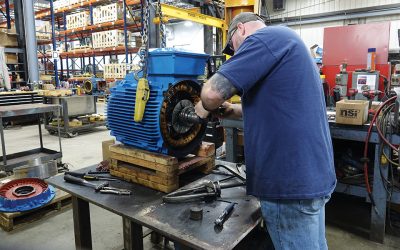
CAM Innovation specializes in comprehensive DC motor equipment designed to diagnose, repair, and maintain industrial DC motors across diverse applications. Our advanced diagnostic tools and repair systems help facilities minimize downtime and extend motor service life through precision maintenance capabilities.
Common DC Motor Problems and Identification Methods
Brush wear represents one of the most frequent DC motor maintenance issues affecting commutation quality and overall performance. Worn brushes create arcing, reduce efficiency, and can damage commutator surfaces if not addressed promptly. Visual inspection reveals brush length, contact pattern, and wear rate providing maintenance timing guidance.
Commutator problems manifest through scoring, pitting, or uneven wear patterns that disrupt electrical contact and create performance issues. Poor commutation generates sparking, reduces power output, and accelerates component wear. Surface condition assessment requires specialized tools for accurate evaluation and repair planning.
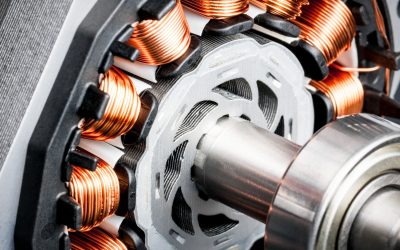
Armature winding failures occur from electrical stress, thermal damage, or mechanical forces creating open circuits or short circuits. Insulation breakdown, conductor damage, and connection failures all require different diagnostic approaches and repair strategies. Electrical testing identifies winding problems before catastrophic failure occurs.
Field winding issues affect magnetic field strength and motor torque characteristics. Series field problems create different symptoms than shunt field failures requiring specific diagnostic procedures. Field circuit testing verifies proper operation and identifies developing problems before complete failure.
Brush and Commutator Maintenance Strategies
Brush replacement timing depends on application requirements, environmental conditions, and operating schedules. Premature replacement wastes resources while delayed replacement risks commutator damage. Systematic monitoring enables optimal replacement timing balancing cost and reliability considerations.
Commutator resurfacing restores proper surface finish and electrical contact improving motor performance and brush life. Turning operations remove damaged material creating uniform surface geometry. Proper undercutting ensures adequate brush seating and commutation performance.
Spring tension adjustment affects brush pressure and contact quality influencing commutation performance and brush wear rates. Insufficient pressure creates poor contact while excessive pressure accelerates wear. Spring calibration ensures optimal contact pressure for specific applications and operating conditions.
Grade selection matches brush material properties to application requirements including current density, speed, and environmental factors. Different brush grades provide varying performance characteristics affecting commutation quality, wear rate, and maintenance requirements. Proper grade selection optimizes motor performance and maintenance intervals.
Electrical Testing and Diagnostic Procedures
Resistance measurements identify winding problems including open circuits, short circuits, and insulation failures. Systematic testing procedures verify circuit integrity and isolate problem areas. Comparative measurements between similar windings reveal developing problems before complete failure occurs.
Insulation resistance testing evaluates winding condition and identifies moisture contamination or insulation degradation. Megohm testing provides quantitative assessment of insulation quality supporting maintenance decisions. Temperature compensation ensures accurate readings across different operating conditions.
Current measurements reveal motor loading conditions and identify mechanical problems affecting electrical performance. Unbalanced currents indicate mechanical binding, misalignment, or component wear requiring investigation. Current signature analysis provides detailed diagnostic information about motor condition.
Voltage measurements verify proper supply conditions and identify electrical system problems affecting motor performance. Voltage imbalance, harmonics, and supply variations all impact motor operation and longevity. Power quality analysis identifies external factors affecting motor performance.
Advanced Diagnostic Equipment and Technologies
Vibration analysis identifies mechanical problems including bearing wear, misalignment, and rotor imbalance affecting motor performance and reliability. Frequency analysis isolates specific problem types enabling targeted maintenance actions. Trending analysis tracks condition changes over time supporting predictive maintenance programs.
Thermal imaging detects hot spots indicating electrical problems, mechanical friction, or cooling system inadequacies. Temperature patterns reveal connection problems, overloading, and component wear. Non-contact measurement enables safe inspection of energized equipment supporting condition monitoring programs.
Universal commutator repair machine advanced multi-process solutions provide comprehensive restoration capabilities for damaged commutators extending motor service life and improving performance reliability.
Motor circuit analysis systems perform comprehensive electrical testing identifying intermittent problems that may not appear during basic testing. Advanced testing protocols evaluate surge resistance, rotor bar integrity, and connection quality. Computerized analysis provides detailed reports supporting maintenance decisions.
Repair Techniques and Equipment Requirements
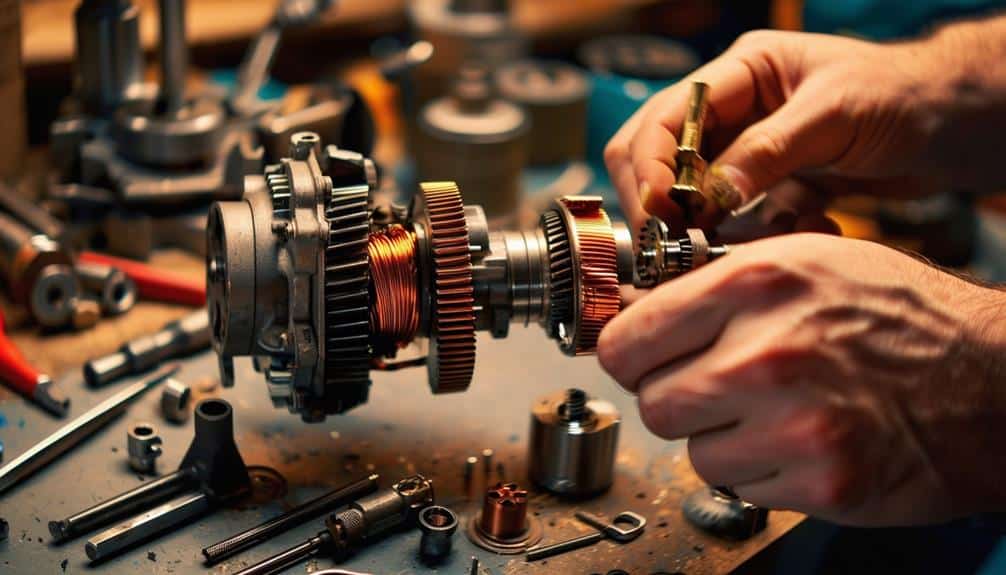
Armature rewinding requires specialized equipment and expertise to restore electrical characteristics and mechanical balance. Coil replacement, insulation systems, and connection methods all affect motor performance and reliability. Proper rewinding procedures ensure original performance specifications and service life.
Commutator repair involves multiple operations including turning, undercutting, and surface finishing to restore proper geometry and electrical contact. Precision machining equipment ensures accurate dimensions and surface quality. Quality control procedures verify repair standards and performance requirements.
Bearing replacement requires proper tools and procedures to prevent damage during installation and ensure proper fit and alignment. Bearing selection considers load requirements, speed capabilities, and environmental conditions. Proper installation techniques prevent premature failure and ensure reliable operation.
Field coil repair addresses insulation failures, connection problems, and conductor damage through rewinding or replacement procedures. Field coil specifications must match original magnetic characteristics maintaining motor performance. Testing procedures verify proper operation after repair completion.
Preventive Maintenance Programs and Scheduling
Condition monitoring programs track motor performance parameters identifying developing problems before failure occurs. Regular inspection, testing, and data collection enable trend analysis supporting maintenance timing decisions. Predictive approaches minimize unexpected failures and optimize maintenance resources.
Lubrication programs ensure proper bearing operation and extend service life through appropriate lubricant selection and application procedures. Contamination control, temperature monitoring, and lubricant analysis support optimal lubrication management. Proper lubrication prevents bearing failures and reduces maintenance costs.
Cleaning procedures remove contaminants that can cause electrical problems and accelerate component wear. Environmental conditions, operating schedules, and contamination sources determine cleaning frequency and methods. Regular cleaning maintains performance and extends component life.
Environmental protection reduces exposure to moisture, chemicals, and contaminants that accelerate motor degradation. Enclosure selection, ventilation design, and filtration systems all contribute to motor longevity. Environmental control investment provides substantial maintenance cost reduction.
Motor Testing Standards and Procedures
IEEE standards provide testing procedures ensuring consistent and reliable motor evaluation across different facilities and applications. Standardized testing enables accurate comparison between motors and tracking performance changes over time. Compliance with testing standards supports warranty requirements and quality assurance programs.
NEMA guidelines establish motor performance specifications and testing requirements supporting proper application and maintenance decisions. Understanding NEMA standards helps select appropriate motors and establish realistic performance expectations. NEMA compliance ensures interchangeability and consistent performance characteristics.
Safety procedures protect personnel during testing and maintenance operations involving electrical equipment. Lockout/tagout procedures, personal protective equipment, and electrical safety practices prevent accidents during motor work. Safety training ensures proper procedures and reduces liability risks.
Documentation requirements track motor history, maintenance actions, and performance trends supporting optimization decisions and warranty claims. Detailed records enable analysis of failure patterns and maintenance effectiveness. Proper documentation supports continuous improvement initiatives and cost analysis.
Cost Analysis and Return on Investment
Repair versus replacement decisions require comprehensive cost analysis considering motor value, repair costs, and expected service life after repair. Age, condition, and application requirements all influence economic decisions. Life cycle cost analysis provides framework for optimal decision making.
Downtime costs often exceed repair costs making rapid diagnosis and repair critical for economic operation. Production losses, overtime costs, and emergency service charges create substantial economic impact. Investment in diagnostic equipment and maintenance capabilities reduces total ownership costs.
Energy efficiency improvements through motor optimization reduce operating costs and may qualify for utility rebates or tax incentives. Motor efficiency affects energy consumption and operating costs throughout motor life. Efficiency improvements often justify repair investments beyond simple replacement cost comparison.
Reliability improvements reduce unexpected failures and associated costs including emergency repairs, production losses, and overtime charges. Preventive maintenance investment provides substantial returns through improved reliability and reduced emergency costs. Reliability analysis quantifies maintenance program benefits.
Troubleshooting Emergency Situations
Emergency diagnostic procedures enable rapid problem identification and temporary solutions minimizing production impact. Quick diagnostic techniques identify immediate safety concerns and determine repair feasibility. Emergency protocols prioritize safety while minimizing economic impact.
Temporary repair solutions maintain operation while permanent repairs are planned and implemented. Brush replacement, connection repairs, and cleaning procedures can often restore limited operation. Temporary solutions provide time for proper repair planning and resource allocation.
Part availability affects repair timing and may influence emergency response strategies. Critical spare parts inventory reduces emergency repair time and costs. Supply chain management ensures part availability when needed supporting rapid repair completion.
Service coordination between internal maintenance and external specialists optimizes emergency response capabilities. Clear communication, defined responsibilities, and resource coordination minimize response time. Emergency service agreements provide guaranteed response and support capabilities.
Training and Skill Development
Technical training develops diagnostic skills and repair capabilities enabling effective motor maintenance programs. Hands-on training with actual equipment provides practical experience complementing theoretical knowledge. Ongoing training keeps maintenance personnel current with evolving technologies and techniques.
Certification programs validate technical competencies and support career development for maintenance personnel. Industry certifications demonstrate knowledge and skills supporting professional advancement. Certified technicians provide higher quality maintenance and reduced error rates.
CAM Innovation DC motor equipment includes comprehensive training support helping facilities develop internal maintenance capabilities and optimize equipment utilization for maximum return on investment.
Safety training ensures proper procedures and reduces accident risks during motor maintenance and testing operations. Electrical safety, mechanical hazards, and chemical exposure all require specific training and protective procedures. Safety competency protects personnel and reduces liability exposure.
Quality Control and Performance Verification
Post-repair testing verifies motor performance meets specifications and application requirements. Comprehensive testing protocols ensure proper operation and identify any remaining problems. Performance verification provides confidence in repair quality and expected service life.
Performance benchmarking establishes baseline measurements for future comparison and trend analysis. Initial performance data provides reference for detecting developing problems and measuring maintenance effectiveness. Benchmarking supports continuous improvement initiatives and optimization efforts.
Warranty procedures protect repair investments and provide recourse for substandard work. Clear warranty terms and conditions establish expectations and responsibilities. Warranty documentation supports claims and provides accountability for repair quality.
Customer satisfaction measurement evaluates maintenance program effectiveness and identifies improvement opportunities. Feedback collection, performance tracking, and continuous improvement processes ensure maintenance programs meet operational requirements. Customer focus drives maintenance optimization and service quality.
Future Technology Trends and Developments
Smart motor technologies integrate sensors and communication capabilities enabling remote monitoring and diagnostic capabilities. Internet connectivity provides real-time status information and predictive maintenance alerts. Smart technologies reduce maintenance costs and improve reliability through early problem detection.
Artificial intelligence applications analyze diagnostic data identifying patterns and predicting failures before they occur. Machine learning algorithms improve diagnostic accuracy and maintenance timing decisions. AI integration provides competitive advantages through improved maintenance effectiveness.
Advanced materials improve motor performance and longevity through better insulation systems, magnetic materials, and mechanical components. Material developments reduce maintenance requirements and extend service life. Understanding material advances helps optimize motor selection and maintenance strategies.
Digital documentation systems provide comprehensive motor history and maintenance tracking supporting optimization decisions and regulatory compliance. Cloud-based systems enable access from multiple locations and integration with enterprise systems. Digital systems improve data accuracy and analysis capabilities.
Ready to implement comprehensive DC motor diagnostic and repair solutions? Contact CAM Innovation today to discuss your motor maintenance requirements and explore our advanced equipment capabilities.
Industry Resources and Compliance Standards
The Occupational Safety and Health Administration provides comprehensive electrical safety standards and training resources that ensure safe motor maintenance and testing procedures. Their electrical safety standards establish requirements for lockout/tagout procedures, personal protective equipment, and safe work practices during motor maintenance operations.
The National Institute of Standards and Technology offers precision measurement standards and calibration procedures that support accurate motor testing and diagnostic equipment validation. Their measurement science resources ensure diagnostic equipment accuracy and traceability supporting quality maintenance programs.
Frequently Asked Questions
What are the most common signs that a DC motor needs immediate attention?
Excessive sparking at the brushes indicates commutation problems requiring immediate investigation to prevent commutator damage. Unusual noises including grinding, squealing, or rattling suggest mechanical problems that can cause catastrophic failure if ignored. Overheating beyond normal operating temperatures indicates electrical or mechanical problems requiring prompt diagnosis. Reduced performance including lower speed or torque output suggests developing problems that will worsen without intervention. Any burning smell indicates serious electrical problems requiring immediate shutdown and professional evaluation.
How often should DC motor brushes be inspected and replaced?
Brush inspection frequency depends on application severity, environmental conditions, and operating hours with typical intervals ranging from monthly to quarterly for critical applications. Visual inspection reveals brush length, contact pattern, and wear rate providing replacement timing guidance. Replace brushes when length reaches manufacturer specifications or when uneven wear patterns develop. Most applications require replacement when brushes reach 25-30% of original length. Document replacement intervals to establish optimal scheduling for specific applications and operating conditions.
What diagnostic equipment is essential for effective DC motor troubleshooting?
Multimeter capabilities including resistance, voltage, and current measurement provide basic electrical diagnostic capabilities for most motor problems. Insulation resistance tester evaluates winding condition and identifies moisture or insulation problems. Vibration analyzer detects mechanical problems including bearing wear and misalignment. Thermal imaging camera identifies hot spots indicating electrical or mechanical problems. Oscilloscope enables advanced electrical analysis for complex problems. Quality diagnostic equipment investment provides rapid problem identification and accurate repair guidance.
How can I determine if a DC motor should be repaired or replaced?
Compare total repair costs including labor, parts, and downtime against replacement cost considering expected service life after repair. Motors under 10 years old with good mechanical condition often justify repair while older motors with multiple problems may warrant replacement. Consider application criticality, part availability, and energy efficiency improvements when making decisions. Calculate life cycle costs including purchase price, installation, energy consumption, and maintenance over expected service life. Consult with motor specialists for complex decisions involving expensive motors or critical applications.
What preventive maintenance practices provide the best return on investment for DC motors?
Regular cleaning removes contaminants that cause electrical problems and accelerate component wear providing substantial maintenance cost reduction. Proper lubrication prevents bearing failures which represent major repair costs and extended downtime. Brush monitoring and timely replacement prevents commutator damage eliminating expensive machining requirements. Torque and alignment checks prevent mechanical stress that causes premature failure. Environmental protection through proper ventilation and contamination control extends motor life significantly. Systematic maintenance scheduling optimizes resource utilization and prevents emergency repairs.